(24/7) support +977-9851232668, +977-9801068400, +977-1-4964222

Blog
The Art of Acclimatization: Why Rushing Kills
Introduction: Altitude is Patient. You Should Be Too.
Every year, experienced trekkers, climbers, and adventurers lose their lives in the Himalayas—not because of avalanches or falls, but because they ignored the most fundamental rule of the mountains: you cannot outpace physiology.
Acclimatization is the body’s slow, deliberate process of adapting to lower oxygen levels at altitude. Rushing this process is like trying to sprint while holding your breath—it ends badly. At Alpine Rescue Service, we’ve seen firsthand that most high-altitude emergencies are preventable if climbers understand and respect the science of acclimatization.
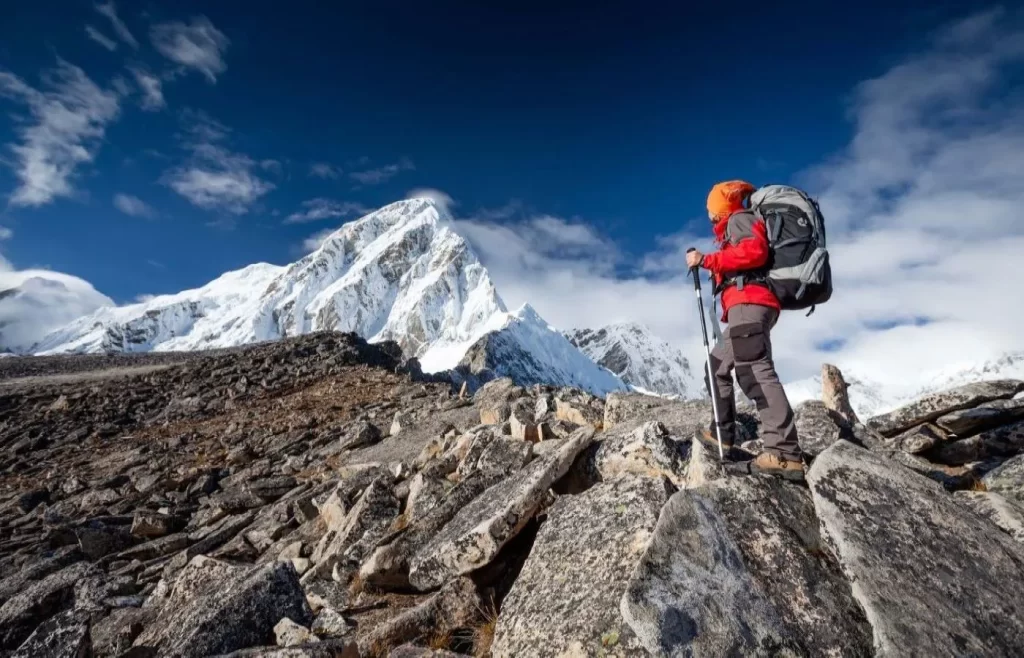
Know More About Altitude...
1. What Really Happens to Your Body at Altitude
At sea level, oxygen saturation in your blood typically sits around 98–100%. But at 3,500 m (11,500 ft), it drops to roughly 90%, and above 5,500 m (18,000 ft) it can plunge below 80%. This lack of oxygen known as hypobaric hypoxia forces the body into a series of adaptations:
- Faster Breathing (Hyperventilation): Within hours, your breathing rate increases to draw in more oxygen.
- Blood Chemistry Changes: The kidneys excrete bicarbonate to balance blood pH disrupted by increased breathing.
- Increased Red Blood Cell Production: Over days to weeks, your body produces more hemoglobin to carry oxygen more efficiently.
- Capillary and Mitochondrial Changes: Over time, your cells become more efficient at using the oxygen they get.
But here’s the catch: these changes take time. No amount of fitness or mental toughness can speed them up.
2. The Deadly Consequences of Rushing
Acute Mountain Sickness (AMS)
Mild AMS symptoms: headache, nausea, fatigue, and poor sleep can start as low as 2,500 m. A 2012 study in the Journal of Travel Medicine found that 25–50% of trekkers in the Himalayas experience AMS.
High-Altitude Pulmonary Edema (HAPE)
HAPE is a life-threatening buildup of fluid in the lungs. It can occur within 2–4 days at altitudes above 2,500 m, especially if ascent is rapid. Without immediate descent, mortality rates can exceed 50%.
High-Altitude Cerebral Edema (HACE)
HACE involves brain swelling caused by fluid leakage. It can progress from mild confusion to coma in hours. At Alpine Rescue Service, we’ve airlifted climbers from above 5,000 m who went from mild AMS to severe HACE overnight.
3. Proven Strategies for Safe Acclimatization
Follow the “Climb High, Sleep Low” Rule
Spend your days ascending to higher altitudes but return to a lower sleeping altitude at night to give your body more recovery time.
Stick to Gradual Ascent Guidelines
- Above 3,000 m: Increase sleeping altitude by no more than 300–500 m per day.
- Take a rest/acclimatization day every 3–4 days or after every 1,000 m gained.
Hydrate and Fuel Properly
- Drink 3–4 liters of water daily. Dehydration worsens altitude symptoms.
- Eat high-carbohydrate meals (60–70% of calories) to improve oxygen utilization.
Avoid Alcohol and Sedatives
These depress breathing, especially during sleep, and can worsen hypoxia.
Consider Preventive Medication
Acetazolamide (Diamox) can help speed acclimatization by stimulating breathing. Always consult a doctor before use.
4. The Science of Patience: Why Slower is Safer
Research from the Wilderness Medical Society shows that trekkers who follow gradual ascent guidelines reduce their risk of AMS by up to 50%. In our own rescue data from Nepal’s popular trekking regions, over 70% of serious altitude cases involved rushed itineraries often due to time pressure or overconfidence.
5. Preparing Before You Go
- Pre-Acclimatization Training: Spending time at moderate altitude (2,000–3,000 m) before your trip can help.
- Know the Early Warning Signs: Headache, unusual fatigue, loss of appetite, and poor sleep are red flags, never ignore them.
- Have an Exit Plan: Always be ready to descend if symptoms worsen.
Conclusion: Respect the Process, Respect the Mountain
The mountains will always be there. Your health and your life may not be if you rush. Acclimatization is not just about reaching the summit; it’s about making sure you can return safely.
At Alpine Rescue Service, we’ve seen that those who respect the science of acclimatization rarely need rescuing. Patience isn’t just a virtue in the mountains its survival.
If you’re planning a trek or climb in Nepal, connect with Alpine Rescue Service for safety tips, acclimatization advice, and emergency preparedness. Because in high-altitude environments, knowledge is your first line of defense.