(24/7) support +977-9851232668, +977-9801068400, +977-1-4964222

Blog
Helicopter Rescue in the Himalayas: How It Works and When You Might Need It
Introduction
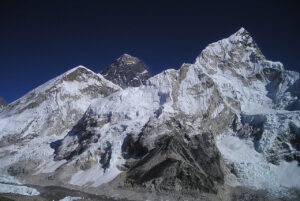
The Himalayas are breathtaking literally. From the iconic Everest Base Camp to the rugged Annapurna Circuit and the remote Upper Mustang, Nepal offers trekking adventures unlike anywhere else in the world.
But with beauty comes risk. At high altitude, where oxygen is scarce and the nearest hospital can be days away on foot, even a minor health issue or injury can become serious quickly. This is where helicopter rescue steps in often as the fastest, safest, and sometimes the only way to get a trekker or climber to proper medical care.
At Alpine Rescue Service Nepal, we’ve seen firsthand how timely helicopter evacuations save lives. Here’s a clear look at how the process works and when it might be necessary.
How Helicopter Rescue Works in the Himalayas
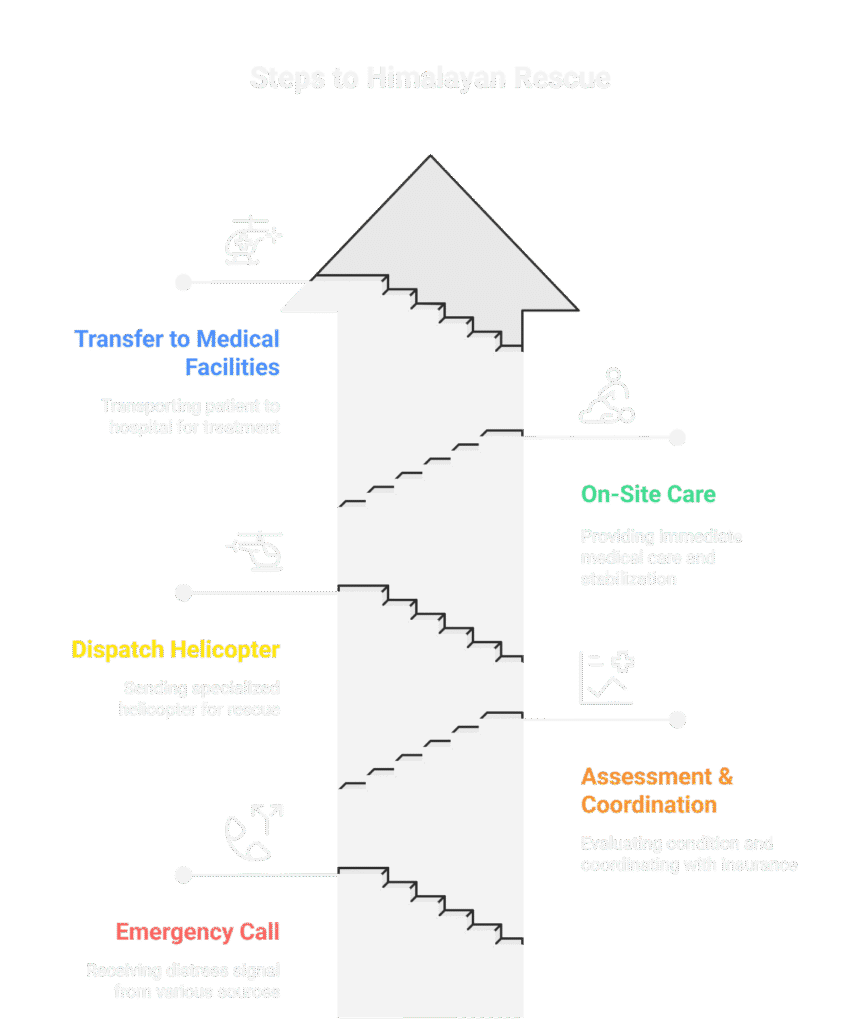
1. The Emergency Call
Every rescue starts with a distress signal. This could come from:
- A trekking guide or expedition leader
- The injured person or their travel companion via satellite phone or mobile network
- An insurance company or tour operator contacting us directly
Once we receive the details: location, symptoms, and urgency, our 24/7 Emergency Response Alarm Centre immediately starts planning the logistics for a safe extraction.
2. Assessment and Coordination
Not every case requires an instant helicopter lift, but many in the Himalayas do. Our team assesses:
- The severity of the condition (e.g., altitude sickness, injury, illness)
- Current location and weather conditions
- Nearest safe landing zones
We also coordinate with the patient’s travel insurance provider for cashless evacuation whenever possible, so there’s no delay waiting for payment. Whether it's a standard extraction or a complex search and rescue operation in technical terrain, we ensure the right resources are dispatched immediately.
3. Dispatching the Helicopter
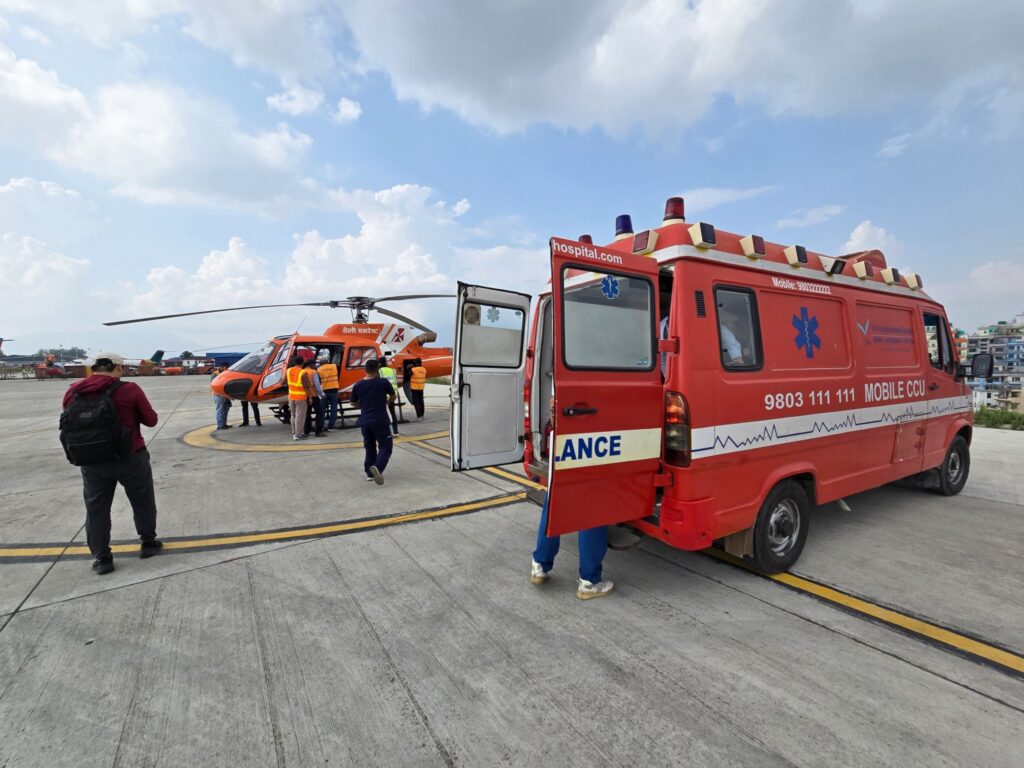
Nepal’s rescue helicopters are specialized for high-altitude flights. Pilots trained in mountain flying navigate narrow valleys, unpredictable winds, and changing weather conditions to reach the patient. In terrains where landing is impossible, we employ specialized longline rescue techniques to safely extract patients from steep mountain faces.
4. On-Site Care and Extraction
Depending on the situation:
- Immediate lift is done for severe conditions like High-Altitude Pulmonary Edema (HAPE) or High-Altitude Cerebral Edema (HACE)
- On-site stabilization may be provided by trained rescue personnel. In many cases, our ground teams utilize telemedicine to receive real-time guidance from medical experts before the flight.
- Oxygen therapy is often given during the flight to ease symptoms and prevent further deterioration
5. Transfer to Medical Facilities
Patients are flown to the nearest suitable medical center often a hospital in Kathmandu with specialized facilities for altitude-related conditions, trauma care, or surgery. Our emergency medical evacuation protocols are designed to protect the Golden Hour, ensuring patients receive uninterrupted care from the moment they leave the mountainside until they reach the hospital.
Alpine Rescue also ensures hospital admission, medical liaison, and follow-up care coordination, so patients are never left to navigate treatment alone.
Lifeline in the Himalayas
Helicopter rescue in the Himalayas is not a luxury it’s a vital safety measure that saves lives. The mountains are awe-inspiring but unforgiving, and having a reliable rescue plan is as important as your trekking boots.
At Alpine Rescue Service Nepal, we combine expert pilots, experienced medical teams, and seamless insurance coordination to ensure that when the unexpected happens, help is never far away.
Your mountain adventure deserves comprehensive protection.
Prepare thoroughly, trek responsibly, and maintain confidence that should emergencies arise, dedicated rescue teams stand ready to ensure your safe return.