(24/7) support +977-9851232668, +977-9801068400, +977-1-4964222

Blog
Above the Clouds: The Ultimate Guide to Luxury Aerial Tours in Nepal
A View Few Will Ever See
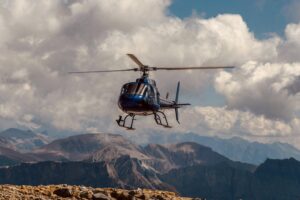
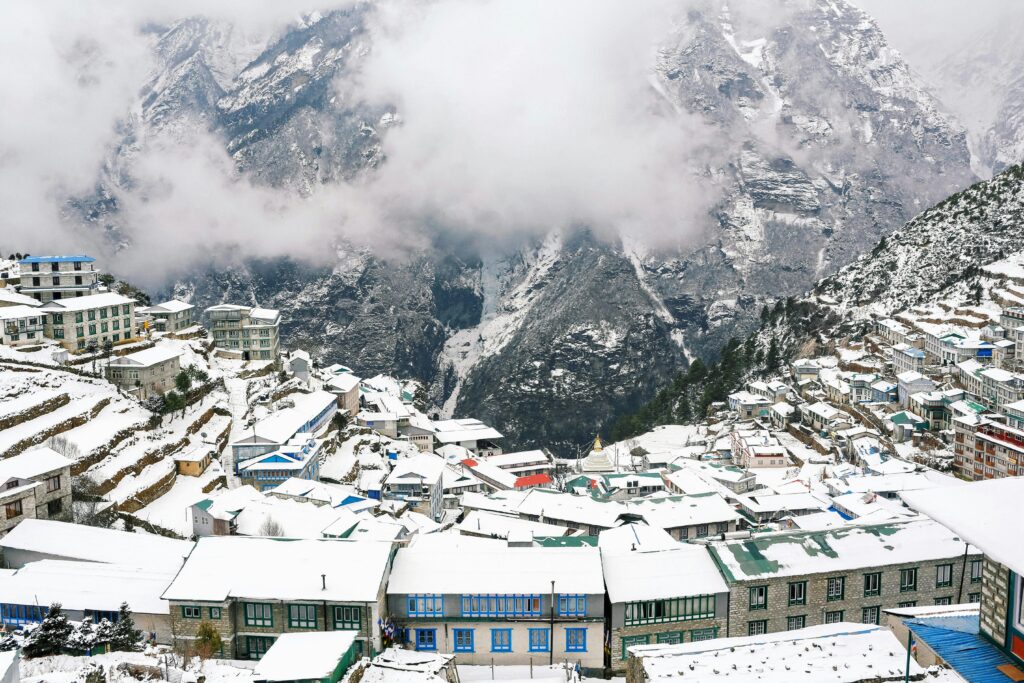
Nestled in the heart of the Himalayas, Nepal is home to eight of the world’s fourteen highest peaks, including the legendary Mount Everest. While trekking remains a time-honored way to explore these mountains, there’s another path — one that swaps the boots for blades and the trail for the sky. Luxury aerial tours open a window to landscapes that few ever witness, offering unrivaled views of snow-clad giants, turquoise glacial lakes, and hidden valleys that remain untouched by roads or footpaths.
For travelers short on time, or those seeking a comfortable yet equally awe-inspiring adventure, a helicopter or small-plane journey brings the grandeur of the Himalayas to your fingertips safely, swiftly, and spectacularly.
Why Choose an Aerial Tour in Nepal?
1. Time Efficiency Without Sacrificing the Experience
An Everest Base Camp trek demands roughly 12–14 days, plus time for acclimatization. By contrast, a helicopter tour can take you from Kathmandu to Everest Base Camp and back in under five hours. That’s a difference that allows travelers to combine mountain majesty with cultural excursions in Kathmandu Valley, wildlife safaris in Chitwan, or lakeside relaxation in Pokhara.
Example: Business executives or conference delegates visiting Nepal often opt for aerial tours to make the most of their limited stay, experiencing Everest in the morning and still attending afternoon meetings.
2. Comfort at Altitude
Nepal’s high-altitude environment presents real challenges: oxygen levels drop by nearly 40% above 3,500m, and altitude sickness can affect even the fittest travelers. Helicopter tours remove these risks by allowing you to ascend and descend quickly, minimizing time spent in thin air while still offering front-row views of towering peaks.
This is particularly beneficial for:
- Travelers with limited mobility.
- Families with children.
- Older adventurers or those unacclimatized to extreme altitudes.
3. Unparalleled Photography Opportunities
From the cockpit, every seat is a window seat. Imagine capturing the south face of Everest bathed in morning light, the emerald waters of Gokyo Lake shimmering below, or the tiered rice fields of Pokhara stretching to the horizon.
Pro Tip: Bring a camera with a wide-angle lens and extra batteries — cold air at high altitudes drains power faster than at sea level.
Signature Aerial Experiences
Everest Base Camp and Kala Patthar Flyover
Duration: 4–5 hours round trip from Kathmandu.
Highlights: Everest (8,848m), Lhotse, Nuptse, Ama Dablam, Khumbu Glacier, and landing at Kala Patthar (5,545m) for panoramic vistas.
Bonus: A champagne breakfast at Everest View Hotel ; the world’s highest luxury hotel at 3,880m.
Annapurna Sanctuary Scenic Flight
Duration: 1–2 hours from Pokhara.
Highlights: Annapurna I (8,091m), Machapuchare (Fishtail), and Dhaulagiri — a photogenic trio that dominates western Nepal’s skyline.
Perfect For: Travelers exploring Pokhara who want a taste of the high Himalayas without trekking for days.
Langtang and Gosainkunda Exploration
Duration: Half-day.
Highlights: Snow-covered ridges, sacred alpine lakes revered by Hindu and Buddhist pilgrims, and Tibetan-influenced villages.
Unique Touch: Offers a rare blend of Himalayan wilderness and deep cultural heritage.
Safety First: Flying with Alpine Rescue Service
Flying in Nepal is unlike flying anywhere else in the world. The country’s terrain, unpredictable weather, and high-altitude airstrips demand skill and precision.
At Alpine Rescue Service, safety is our highest priority:
- Highly Trained Pilots: All our pilots have extensive experience in high-altitude and mountain flying.
- Advanced Aircraft: Equipped with state-of-the-art navigation, oxygen systems, and emergency medical kits.
- Medical Preparedness: Onboard medical staff available for specialized flights upon request.
Fact: Nepal’s Civil Aviation Authority reports that the majority of safe mountain flights are conducted by operators with long-standing mountain aviation experience exactly the expertise Alpine Rescue Service provides.
Best Time of Year for Aerial Tours
While aerial tours operate year-round, timing affects both views and flight reliability:
- Autumn (Oct–Nov): Crisp skies, stable weather, and crystal-clear mountain views.
- Spring (Mar–Apr): Blooming rhododendrons and excellent visibility.
- Winter (Dec–Feb): Snow-dusted peaks, though some weather delays possible.
- Summer (Jun–Sep): Lush green valleys during monsoon, but higher cloud cover and occasional flight disruptions.
Preparing for Your Flight
- Book Early: Especially in peak seasons — slots fill up quickly.
- Dress in Layers: Temperatures drop sharply at altitude.
- Carry Essentials: Sunglasses, sunscreen, and a camera with extra memory.
- Stay Flexible: Weather in the mountains can change rapidly — a clear morning is never guaranteed.
Conclusion: The Himalayas at Your Fingertips
A luxury aerial tour of Nepal is not just a sightseeing trip — it’s a front-row ticket to one of Earth’s greatest natural spectacles. Whether it’s the awe of standing before Everest, the serene beauty of Annapurna’s glaciers, or the spiritual calm of Gosainkunda alpine lakes, these experiences offer memories that last a lifetime.
When you choose to fly with seasoned operators like Alpine Rescue Service, you’re not just buying a ticket — you’re investing in safety, expertise, and a journey few will ever experience.
Your adventure starts above the clouds — and it will change how you see the world below.